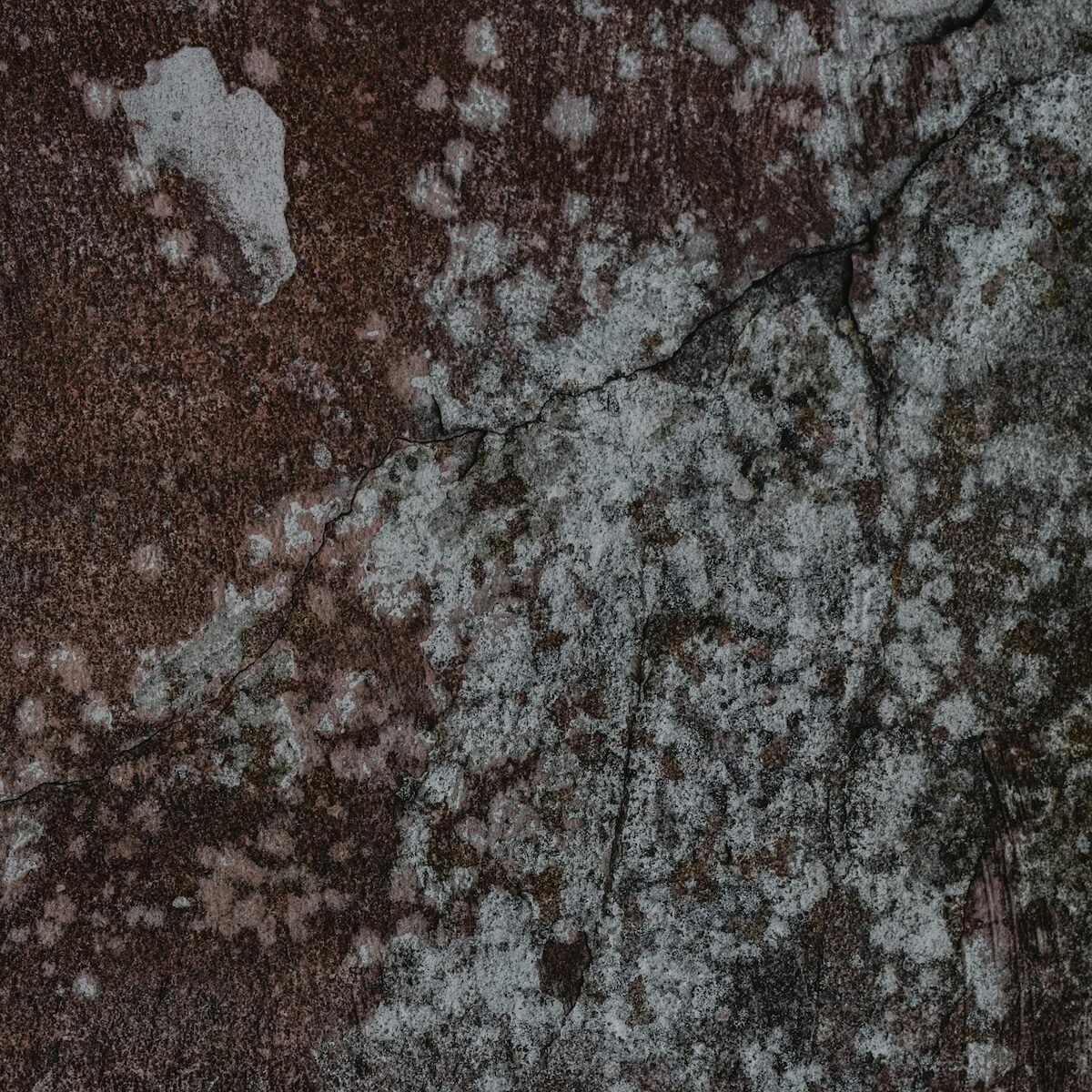
The building damage alone is enough to justify fast action. Mold breaks down drywall, wood framing, ceiling tiles, and insulation over time. But the human health side of this is what tends to get people moving.
Common mold species found in commercial buildings, such as Aspergillus, Stachybotrys (often called black mold), and Cladosporium, can trigger respiratory symptoms, allergic reactions, and worsen existing asthma in occupants with regular exposure. Employees who connect their health symptoms to their workplace have a reasonable basis to file complaints with OSHA. Those complaints can trigger inspections, citations, and in serious cases, mandatory business closure until the problem is remediated.
Beyond health, consider what mold does to the rest of your operation. It can damage inventory, destroy stored documents, corrode equipment, and void warranties on building materials.
There is also liability. Insurance carriers and regulators expect clear action once mold is identified. Delays or incomplete cleanup can lead to denied claims or extended exposure issues. In many facilities, mold also damages materials and equipment, which increases repair costs and extends downtime.
Most commercial mold issues trace back to moisture that goes unnoticed or unresolved. We see consistent patterns across industries:
These issues often develop slowly. By the time mold becomes visible, it has already spread into adjacent materials.
Our process follows a structured sequence developed from years of field experience and aligned with EPA and IICRC S520 guidelines for professional mold remediation.
We start with a thorough walkthrough and inspection of the affected area, using moisture meters, thermal imaging cameras, and borescopes to locate water intrusion points that aren’t visible to the naked eye. Before any remediation begins, we know where the moisture is coming from. Skipping this step is how mold comes back.
We collect air samples, surface samples, and bulk material samples depending on what the situation calls for. These go to an independent, accredited laboratory for analysis. The results tell us exactly what species are present, at what concentrations, and in which areas of the building. This documentation also becomes a baseline for post-remediation clearance testing and serves as a record for your insurance carrier.
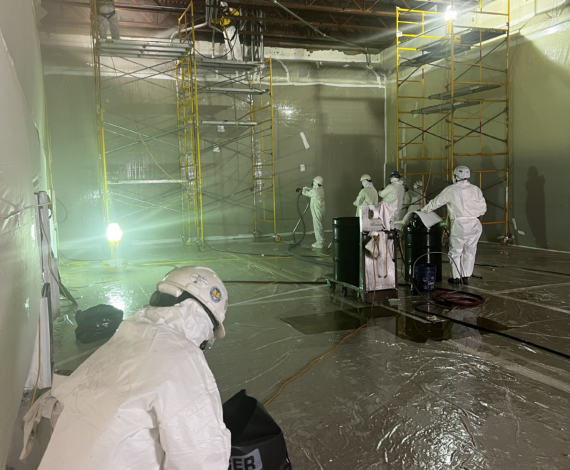
Before any abatement work begins, we establish physical containment around the affected area. This means polyethylene barriers, sealed entry points, and negative air pressure machines that pull air out of the contained zone and exhaust it through HEPA filtration. This prevents spores from migrating into unaffected areas of your building during the removal process.
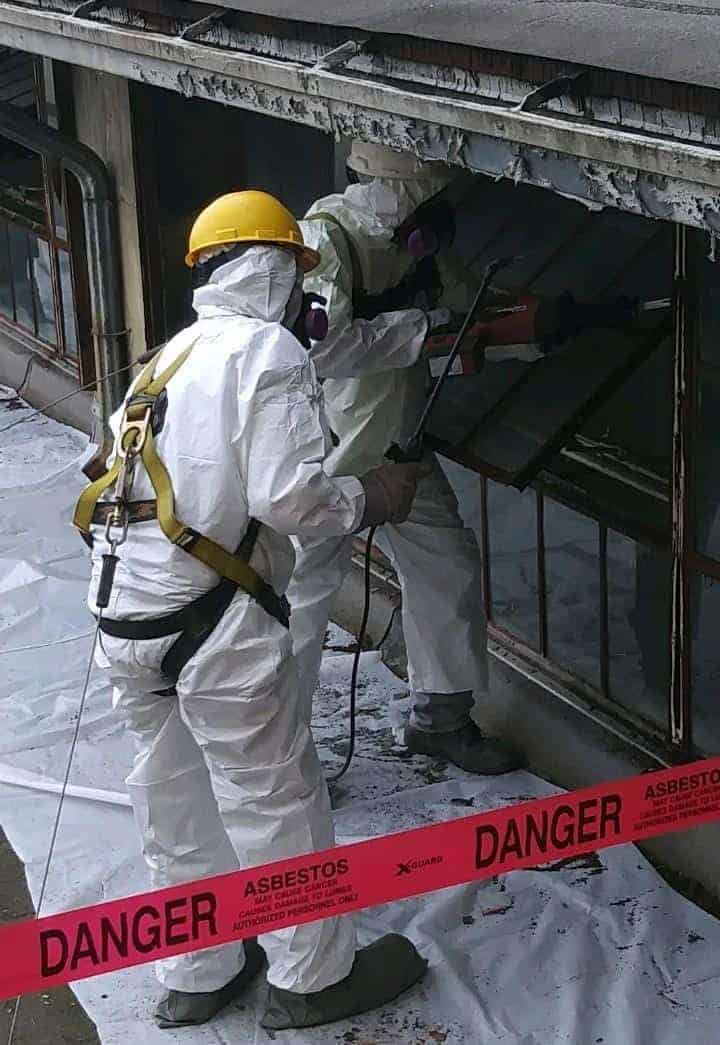
Our crews remove contaminated materials following regulated disposal procedures. HEPA vacuums capture surface spores on materials that are being retained. HEPA air scrubbers run continuously throughout the work area. Where appropriate, EPA-registered biocides are applied to affected surfaces to address residual contamination. Encapsulation is used in situations where complete removal isn’t structurally feasible.
Everything gets documented: what was removed, how it was disposed of, what treatments were applied, and where.
When abatement is complete, we don’t just pack up and call it done. Post-remediation air sampling is conducted by a third-party industrial hygienist or environmental consultant to verify that spore levels have returned to acceptable indoor concentrations. You receive a full clearance report. That documentation matters when you’re talking to your insurance carrier, your employees, or a building inspector.
EnviroWorx has performed commercial mold remediation in a wide range of building types throughout Ohio, Indiana, Kentucky, Tennessee, and West Virginia. Our crews are experienced with the unique conditions and code requirements that come with each:
Mold doesn’t get smaller on its own. The faster you get a qualified team on-site, the more contained the scope of work, and the less disruption to your business. EnviroWorx Services is ready to respond to commercial mold situations throughout Ohio, Indiana, Kentucky, Tennessee, and West Virginia.
Call us at (513) 871-2500 or fill out our contact form to schedule an assessment. We’ll walk your site, identify the problem, and give you a clear picture of what remediation looks like before any work begins.