Construction & Demolition Waste Removal

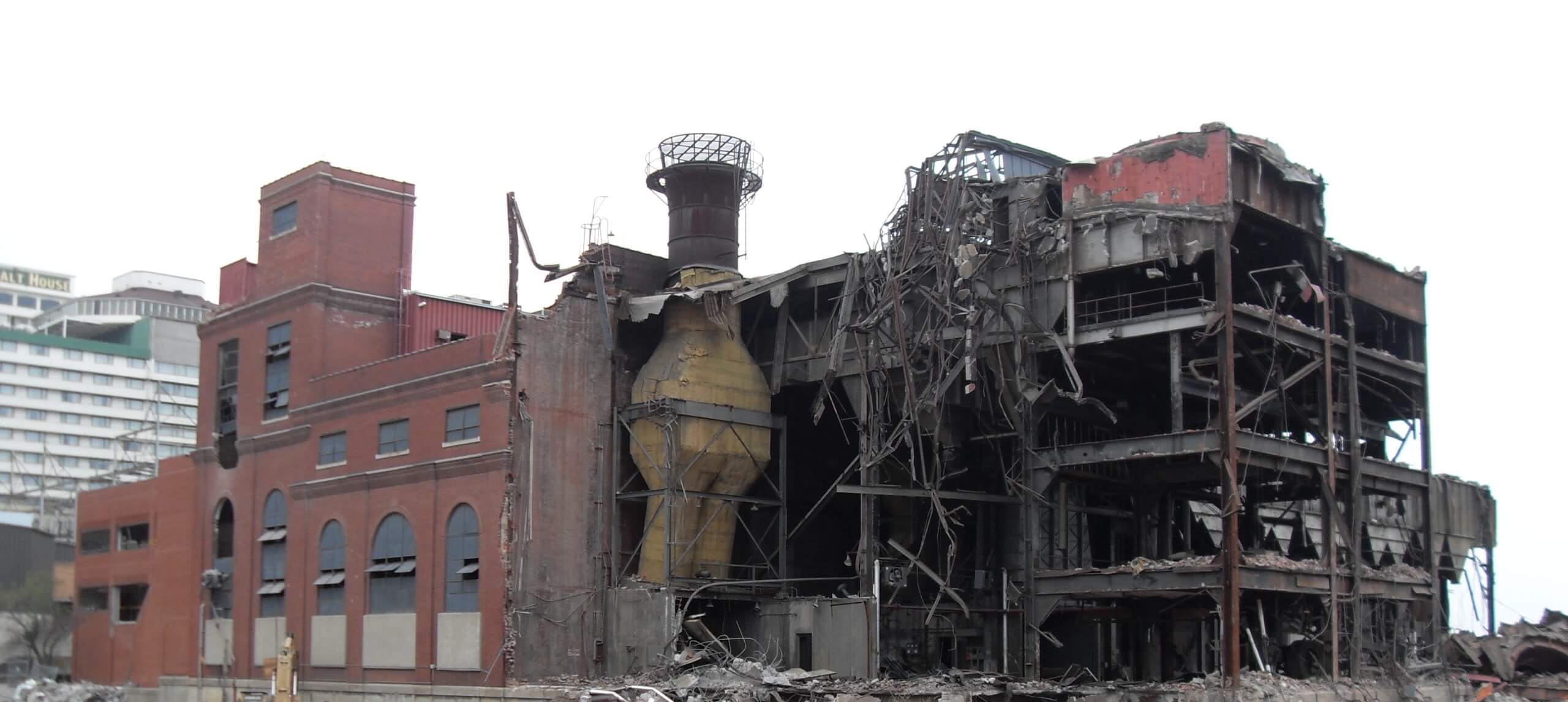
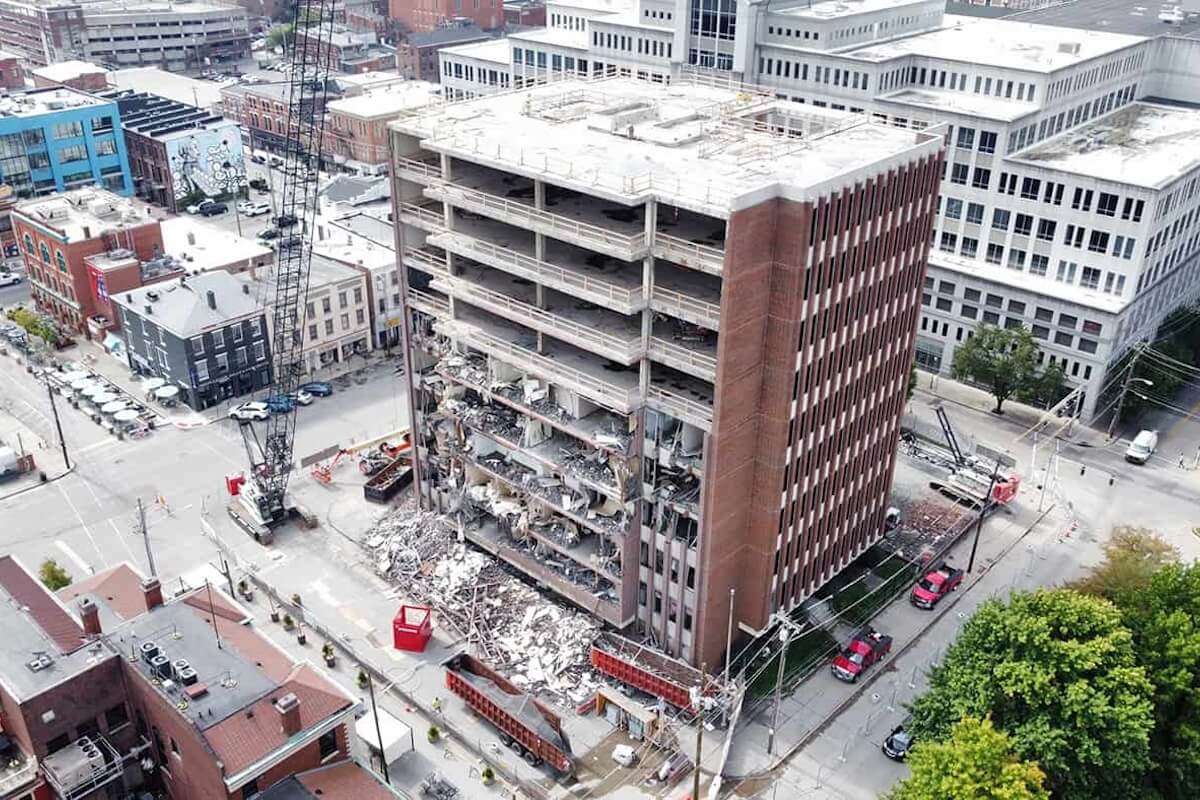
Construction and demolition projects generate an enormous amount of waste. Concrete chunks, drywall scraps, insulation, old piping, lead-painted materials, and asbestos-containing tiles are common construction waste materials. And if that waste isn't handled correctly, the consequences go well beyond a messy job site.At EnviroWorx Services, we specialize in construction and demolition waste removal for commercial and industrial properties across Ohio, Kentucky, Indiana, Tennessee, and West Virginia.

Trusted And Reliable Environmental Services

EnviroWorx has established itself as a leading asbestos removal and remediation contractor with over 100 years combined experience in the industry. Our company mission is to provide quality service and client satisfaction.
Get Started Now

What Is Construction and Demolition Waste?

Construction and demolition (C&D) waste refers to the materials generated during the building, renovation, or tearing down of structures. It covers a wide range and not all of it is as straightforward as a pile of broken concrete.

Some C&D waste is inert and relatively easy to manage. Bricks, wood framing, metal scraps, and glass fall into this category. Other materials are far more complicated. Older buildings frequently contain asbestos insulation, lead-based paint, and contaminated soil, all of which require certified handling and disposal under strict federal and state regulations.

The U.S. Environmental Protection Agency (EPA) estimates that construction and demolition debris accounts for more than 600 million tons of waste generated in the United States each year. That figure surpasses the total municipal solid waste generated annually, by more than double. Mismanaging even a fraction of that waste carries serious legal, financial, and health consequences.

When to Schedule Asbestos Testing

Certain situations increase the likelihood that asbestos is present or disturbed. Testing at the right time reduces risk and avoids costly project delays later.

Before Renovation or Demolition

Any time a structure built before 1990 undergoes major renovation or demolition, asbestos testing must occur first. This applies to both private homes and commercial buildings. Even small repairs such as replacing floor tiles or patching drywall can release fibers if asbestos-containing materials are present.

Buying or Selling Property

For buyers, testing confirms whether the building is safe and what remediation may be needed. For sellers, an asbestos inspection provides transparency and helps prevent legal issues after a sale.

After Storm, Fire, or Water Damage

Natural disasters and structural damage can break apart walls, ceilings, or insulation that previously sealed asbestos fibers in place. Testing ensures the area is safe before cleanup or reconstruction begins.

Routine Safety for Schools and Public Buildings

Under the Asbestos Hazard Emergency Response Act (AHERA), schools must conduct asbestos inspections and re-inspections at regular intervals. Enviroworx assists with compliance reporting, testing, and long-term management plans.

Types of Construction and Demolition Waste We Remove

Non-Hazardous Construction Debris

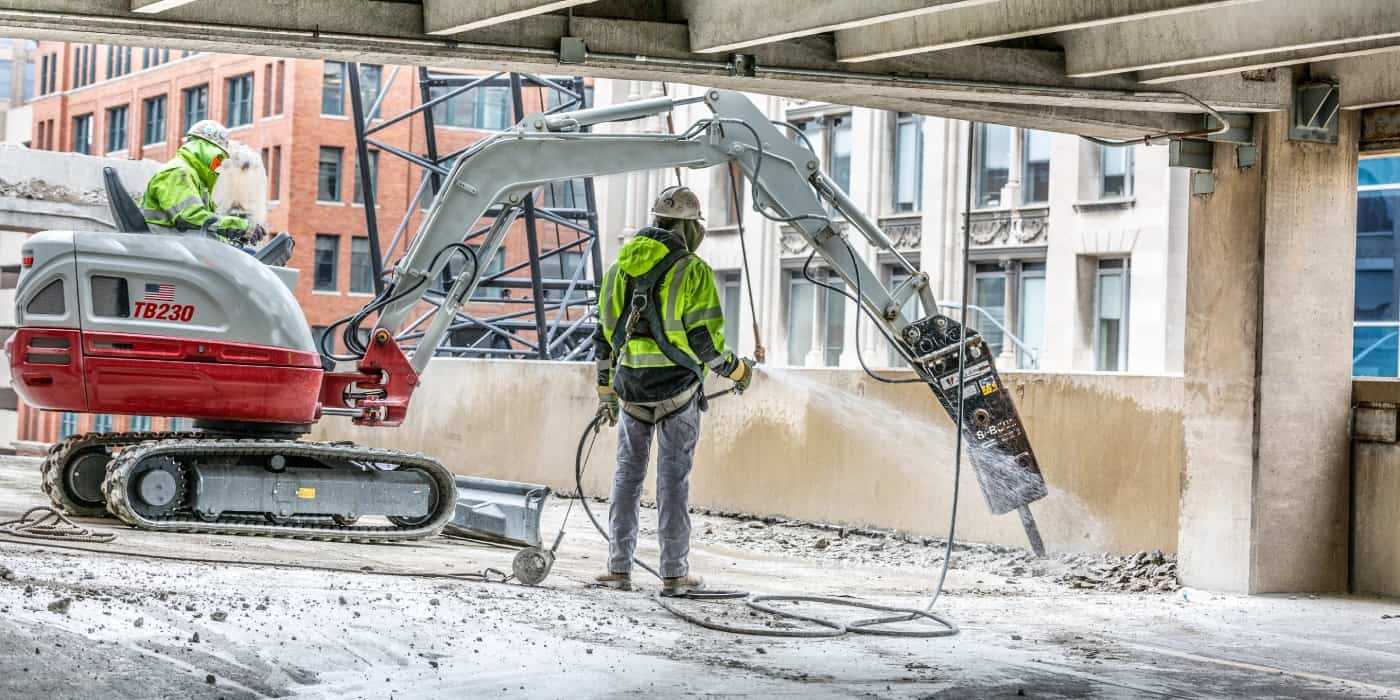
The bulk of most C&D projects involves non-hazardous materials. This includes concrete, wood, drywall, roofing shingles, metals, glass, and plastics. While these materials are not inherently dangerous, improper disposal still creates compliance issues and project delays. We handle the full scope of non-hazardous debris removal — loading, transport, and disposal — so your crew can stay focused on the work that actually moves the project forward.

Selective Demolition Waste

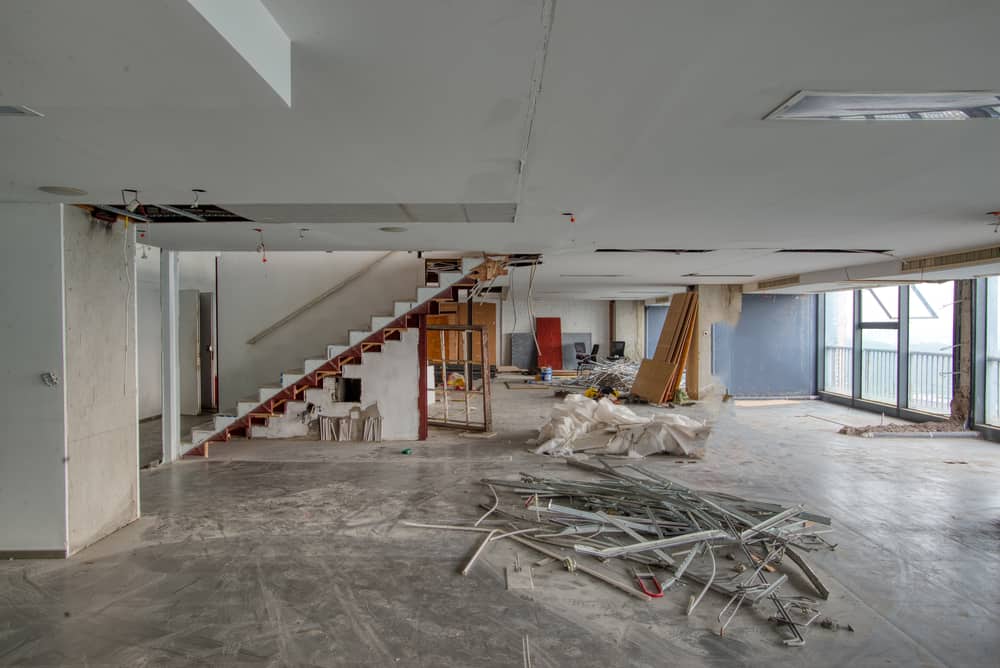
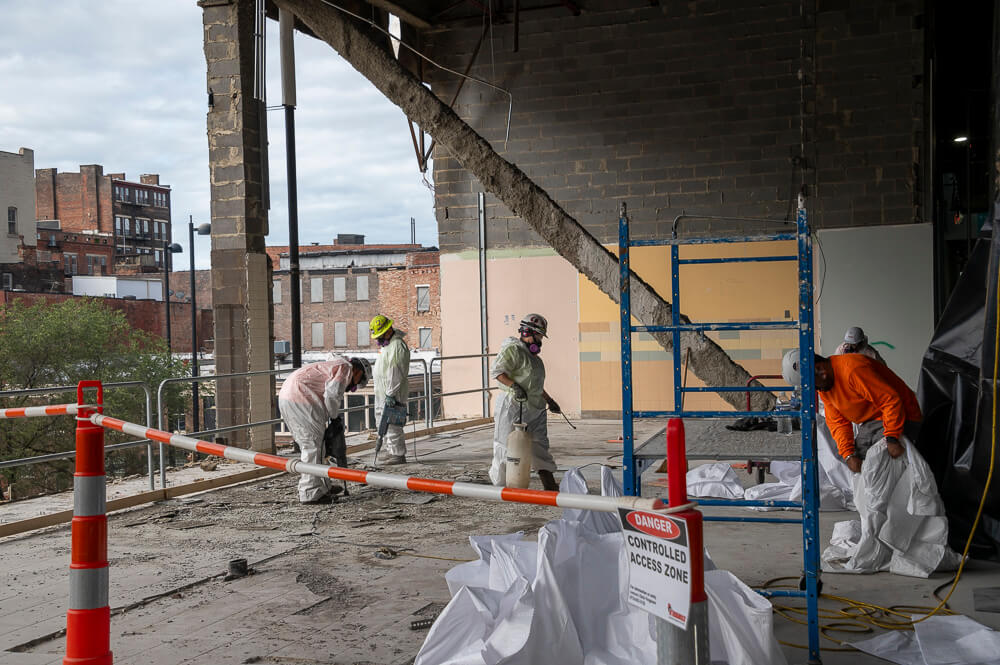
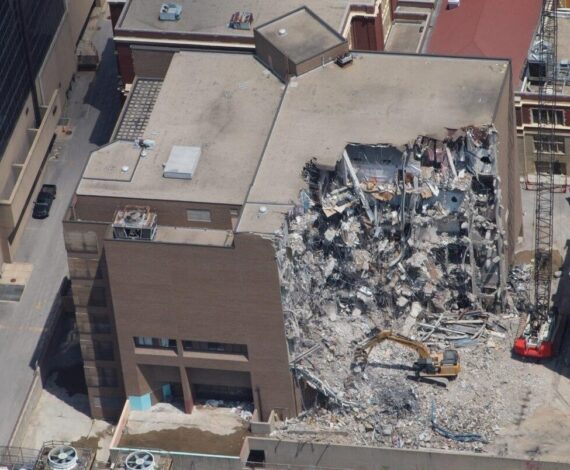
Selective demolition involves removing specific portions of a structure while leaving the rest intact. A building owner might need one floor stripped down to the studs for renovation while the rest of the building remains operational. This type of work requires precision, planning, and an understanding of what materials are present before a single tool touches the structure. Our team performs selective demolition with that level of care. We assess the site, identify hazardous materials, and remove waste in a controlled sequence that protects surrounding structures, active areas, and the people working in them.

Post-Emergency Waste

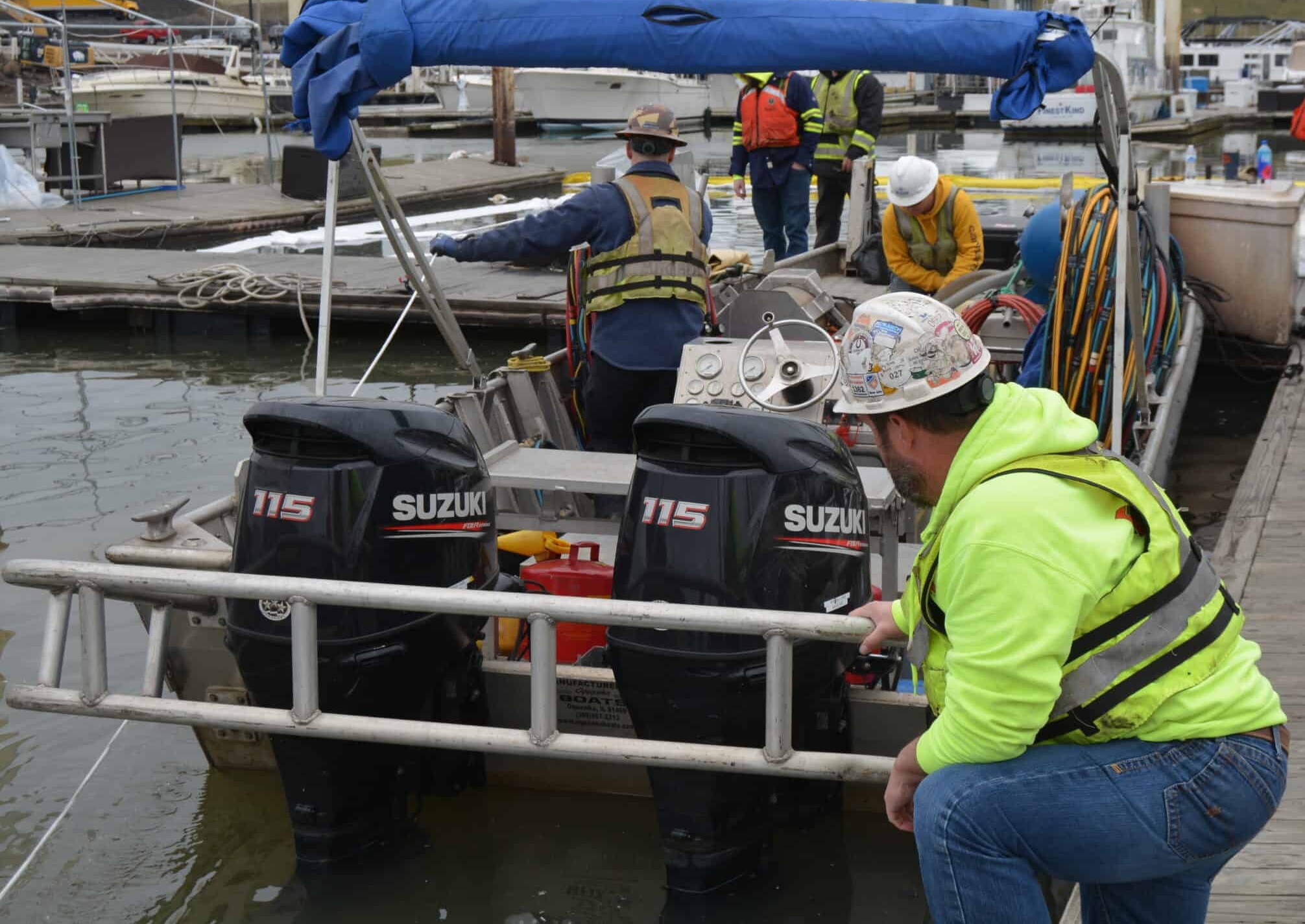
Fires, floods, and environmental incidents leave behind a different kind of debris — one that often combines structural materials with chemical or biological contamination. Flood-damaged drywall harbors mold. Fire debris may contain toxic residue from burned synthetic materials. We respond 24/7 to these situations, removing waste and beginning the remediation process as quickly as possible.

Hazardous Material Waste

Hazardous construction waste requires a higher level of control and oversight due to the risks involved. This category includes materials such as asbestos-containing products (including floor tiles, pipe insulation, ceiling texture, and roofing felt), lead-based paint debris generated during sanding, scraping, or demolition, contaminated soil from underground storage tank removal or chemical spills, PCB-containing materials found in older electrical equipment and caulking, and mercury present in fluorescent light fixtures and thermostats. Each of these materials is regulated at the federal level by the EPA and OSHA, along with state agencies across Ohio, Kentucky, Indiana, Tennessee, and West Virginia. Removal without proper certification carries serious legal consequences and creates significant health and environmental risks.

How EnviroWorx Handles Construction and Demolition Waste Removal

We follow a structured process on every project. There are no shortcuts, and the documentation we produce at the end gives clients the paper trail they need for compliance and future reference.

Initial Consultation: We start by learning about your project, the scope, the structure, the timeline, and any known hazards. This conversation shapes everything that follows.

Site Assessment: Our team conducts a thorough on-site evaluation. We look for asbestos-containing materials, lead paint, contaminated soil, and any other regulated substances before work begins. This step prevents surprises mid-project.

Planning and Compliance Review: We develop a waste removal plan that aligns with EPA guidelines, OSHA standards, and the specific state regulations that apply to your location. Ohio, Kentucky, Indiana, Tennessee, and West Virginia each have their own requirements. We know them well.

Safe Removal and Transport: Certified crew members remove waste using proper containment, protective equipment, and procedures. Hazardous materials are packaged and labeled according to regulatory standards before transport.

Disposal and Documentation: All waste is transported to licensed disposal and recycling facilities. We provide full documentation of what was removed, how it was handled, and where it went. That documentation matters when a regulatory agency comes asking.

Follow-Up: After the job is complete, we are available to address any follow-up questions, conduct additional testing if needed, and support any final compliance submissions.

Frequently Asked Questions

What types of construction waste does EnviroWorx remove?
We handle both non-hazardous debris (concrete, wood, drywall, metals) and hazardous materials (asbestos, lead, contaminated soil, PCBs). We assess each site before work begins to identify exactly what is present.
Do you handle asbestos and lead in construction debris?
How quickly can you respond to a job site?
Are you licensed to operate in my state?
How is hazardous construction waste disposed of legally?

Request a Quote for Construction and Demolition Waste Removal

Construction and demolition waste removal is not a task to hand off to whoever is available. It requires certified professionals who understand the materials, the regulations, and the stakes.

EnviroWorx Services brings over 100 years of combined experience to every project. We are fully certified, regionally knowledgeable, and built to handle the jobs that other companies turn away. Whether you are managing a planned renovation in Cincinnati, tearing down a commercial building in Louisville, or responding to an environmental incident in Charleston, we have the crew and the credentials to do it right.

Call us at (513) 871-2500, email us at info@enviroworx.net, or fill out our Request a Proposal form online. We will get back to you promptly with a clear plan and a straightforward quote.