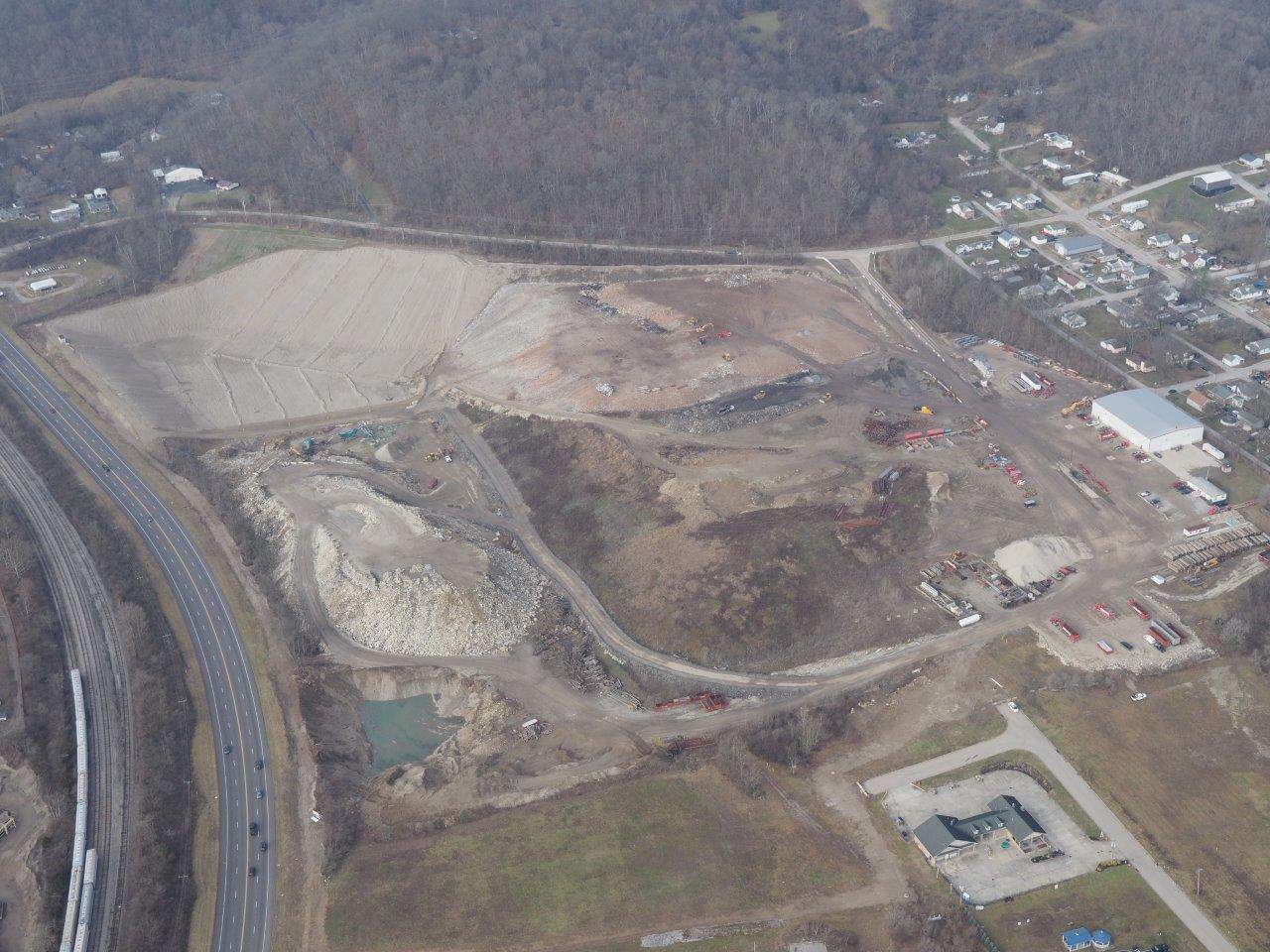
Ecological restoration is the process of repairing land so it can support native vegetation, stable soils, and consistent water movement. The goal is not cosmetic. It is functional. The land should drain correctly, support plant growth, and resist erosion under normal conditions.
Restoration often follows environmental remediation, but the two serve different roles. Remediation removes contamination. Restoration rebuilds the ecosystem. Reclamation prepares land for a new use, such as development. Restoration focuses on environmental recovery and long-term stability.
You see this work in places like:
In each case, the land needs more than surface treatment. It needs a system that supports itself.
The range of clients who come to us for ecological restoration is broader than most people expect. Commercial property owners dealing with legacy contamination. Municipal governments managing former industrial corridors. Real estate developers who acquired a brownfield and need it cleared for redevelopment. Industrial facilities that experienced a spill and now face regulatory pressure to restore the affected land.
If you own, manage, or are developing a property with a history of contamination or significant land disturbance, ecological restoration is likely part of your path forward.
Regulatory pressure also plays a role. Agencies at the federal and state level require stabilization, revegetation, and erosion control as part of project closeout. Failing to meet those standards can delay approvals and create ongoing liability.
There are practical benefits as well for restored land:
Ignoring these issues often leads to repeated repairs. Addressing them once, with a structured restoration plan, reduces long-term cost and risk.
Each project comes with its own set of conditions. We tailor our services to match the site.
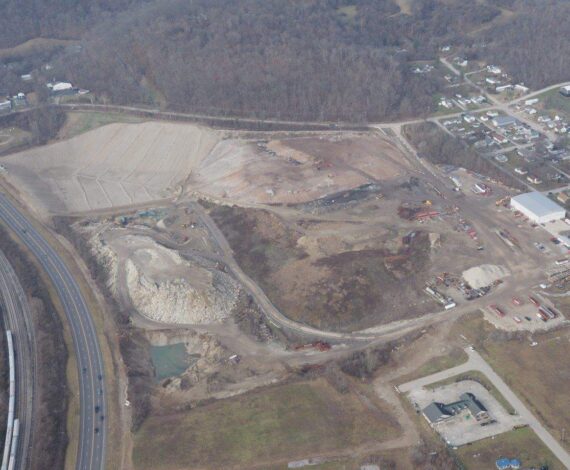
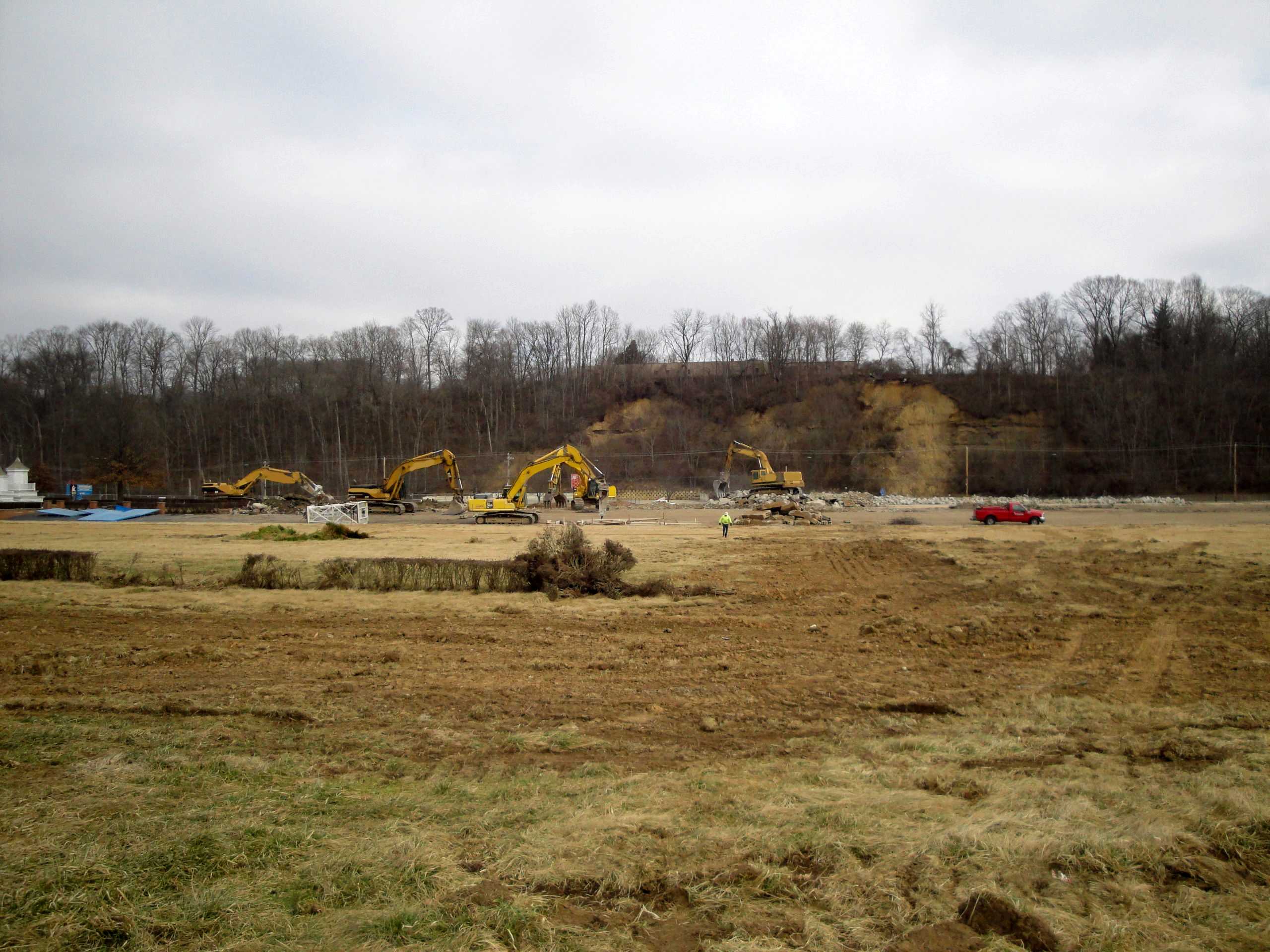
Land reclamation and site rehabilitation focus on restoring disturbed or previously developed land so it can support safe, stable use again. We address soil compaction, poor grading, and lack of vegetation by conditioning the soil, reshaping the surface, and establishing plant coverage suited to the site. This work is common on former industrial properties, construction sites, and areas that have been heavily altered by equipment or material storage. Once complete, the land supports consistent drainage, resists erosion, and is ready for redevelopment or long-term use.
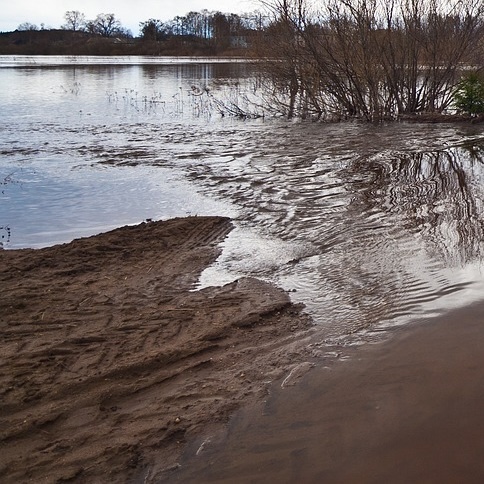
Erosion and sediment control projects are designed to stop soil loss and manage runoff before it causes further damage. These applications are often needed on slopes, cleared land, or sites exposed to heavy rainfall. We install systems that hold soil in place, reduce water velocity, and keep sediment from entering nearby waterways. This includes slope stabilization, sediment barriers, and drainage adjustments that guide water safely across the site. The goal is to create immediate stability while supporting long-term vegetation growth.
Brownfield remediation applies to properties where past industrial or commercial activity has left contamination in the soil or groundwater. These sites require coordinated cleanup and restoration to make them safe for future use. We work alongside environmental specialists to remove or contain contaminants, then rebuild the site conditions so vegetation can establish and the land can function properly. This often includes soil replacement, grading, and revegetation. Once complete, the property meets regulatory standards and can move forward toward redevelopment.
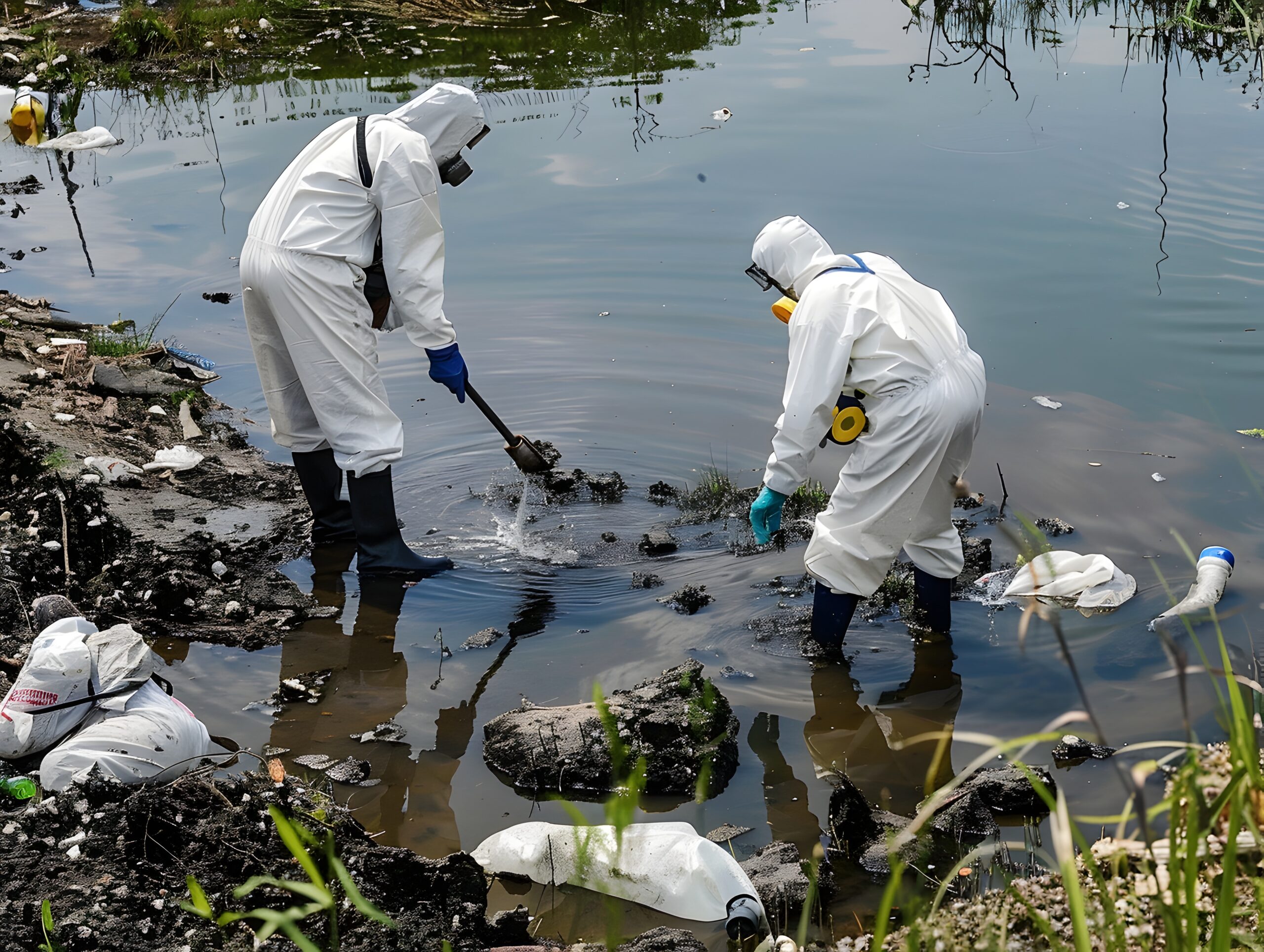
Chemical spill cleanup addresses sudden releases of hazardous materials that threaten soil, water, and surrounding environments. These situations require a fast, controlled response to contain the spread and remove affected materials. We isolate the impacted area, excavate or treat contaminated soil, and manage disposal according to regulatory requirements. After cleanup, we restore the site by stabilizing the soil, correcting any drainage issues, and reestablishing vegetation. This ensures the area returns to a safe and usable condition without lingering environmental risk.
Our team carries over 100 years of combined experience in environmental remediation, abatement, and restoration. That experience covers a wide range of site conditions, contaminant types, and regulatory environments. When something unexpected shows up mid-project, we’ve already got the experience to handle the project. We hold state-specific asbestos abatement licenses across Ohio, Indiana, Kentucky, Tennessee, and West Virginia. We’re EPA Lead-Safe Certified, OSHA compliant, and HAZWOPER trained for hazardous material handling.
Because we’re a full-service contractor, we can handle remediation and restoration as a single, continuous project. That matters for timeline and budget. Handing off between contractors creates gaps in accountability and adds time to every phase. When EnviroWorx manages the full scope, communication is direct and the documentation is consistent from start to finish. You’ll know what phase we’re in, what the next steps are, and what the documentation shows. We provide detailed written records of all work performed, which supports regulatory compliance and gives you a clean paper trail for future property transactions.