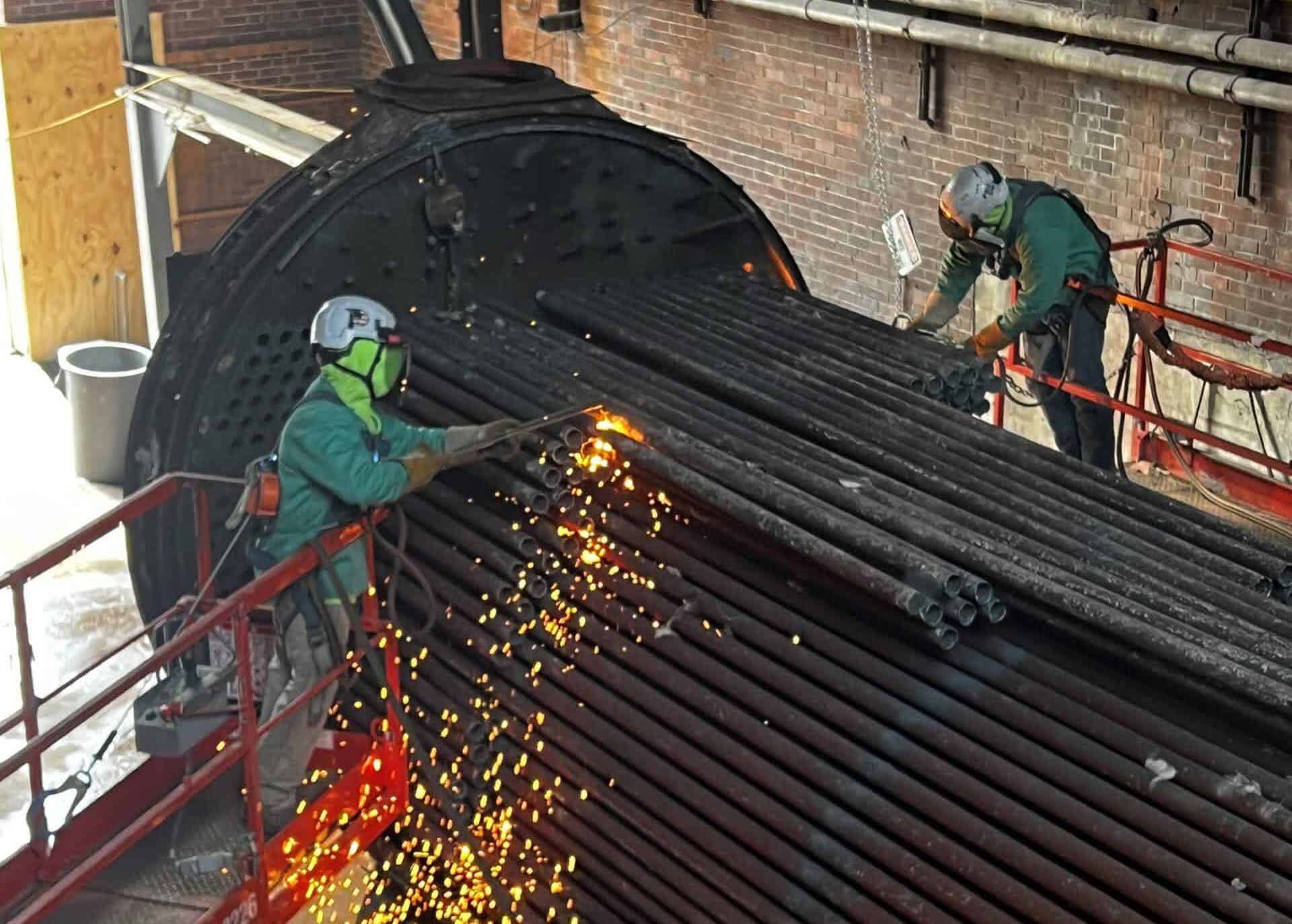
Industrial Decontamination Services

At Enviroworx, we handle industrial decontamination for facilities across Ohio, Indiana, Kentucky, Tennessee, and West Virginia. Our crews work in active plants, shutdown sites, and redevelopment projects where safety, speed, and documentation all matter. We approach each project with a clear plan, trained personnel, and the equipment required to complete the work without delays or compliance issues.

Trusted And Reliable Environmental Services

EnviroWorx has established itself as a leading asbestos removal and remediation contractor with over 100 years combined experience in the industry. Our company mission is to provide quality service and client satisfaction.
Get Started Now

What Is Industrial Decontamination?

Industrial decontamination is the process of identifying, containing, and removing hazardous substances from equipment, structures, surfaces, and soil within industrial environments. Think of it as a deep reset for a facility that has been compromised by chemical, biological, or radiological exposure.

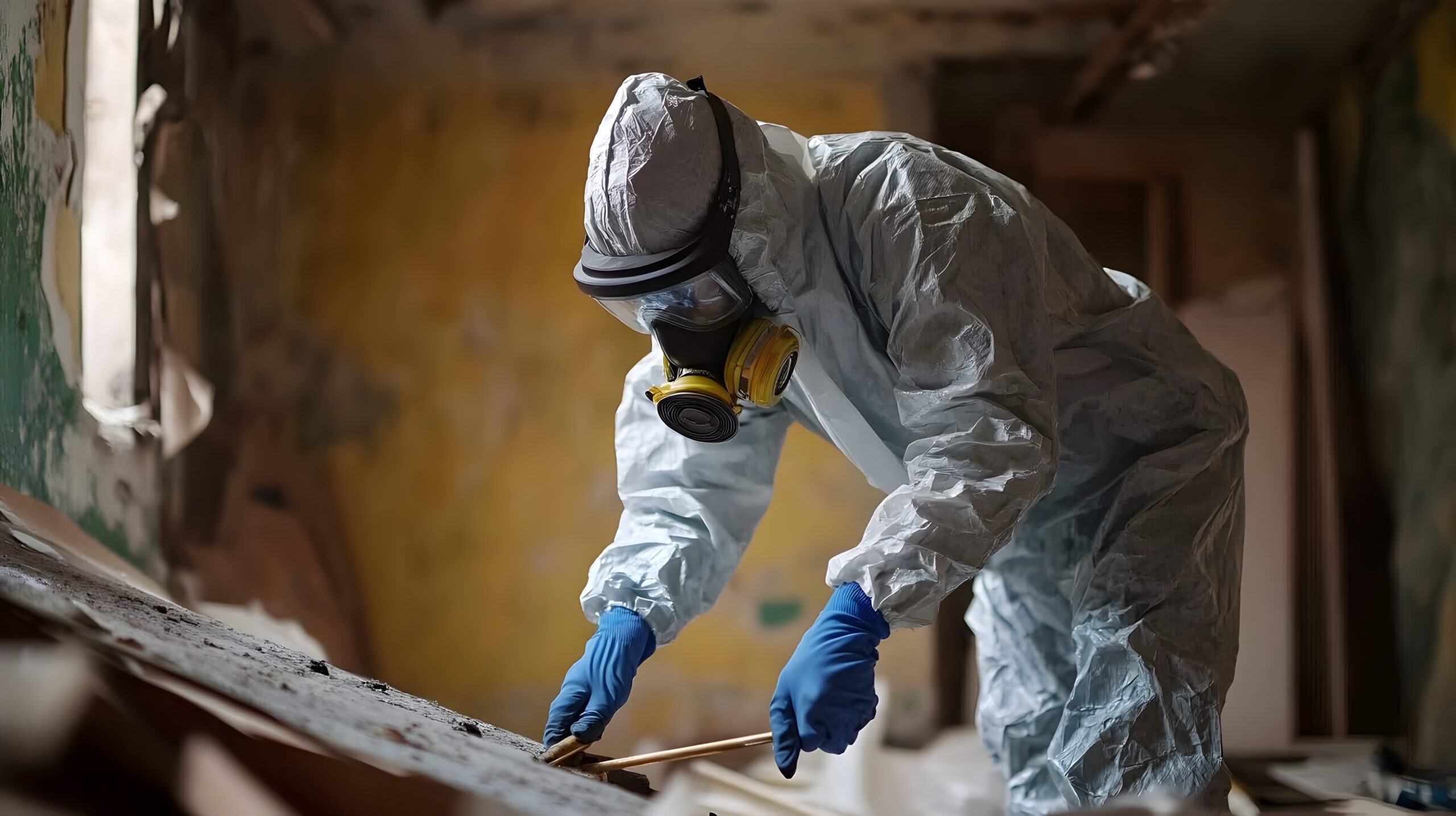
This is fundamentally different from commercial cleaning. A janitorial crew mops floors and empties trash bins. Industrial decontamination requires air monitoring equipment, personal protective equipment rated for the specific hazard present, regulated waste disposal chains, and post-clearance testing that holds up under third-party scrutiny. The goal is not just a visually clean space. The goal is a scientifically verified, regulatory-compliant space where workers can return safely.

The contaminants we encounter most often in Midwest industrial settings include:

  • Heavy metals such as lead, mercury, cadmium, and hexavalent chromium
  • Asbestos fiber residue on structural surfaces and legacy equipment
  • Chlorinated solvents, petroleum hydrocarbons, and industrial acids
  • Polychlorinated biphenyls (PCBs) in older electrical and mechanical systems
  • Mold colonization inside industrial HVAC systems or flood-damaged facilities
  • Biological and bloodborne hazards following worker incidents

Regulatory frameworks driving decontamination requirements include OSHA 29 CFR 1910.120 (Hazardous Waste Operations and Emergency Response, commonly called HAZWOPER), EPA guidelines under RCRA and CERCLA, and state-level enforcement from agencies like Ohio EPA. Non-compliance carries financial penalties, forced shutdowns, and in serious cases, criminal liability for site managers.

When Does Your Facility Need Industrial Decontamination?

Several scenarios trigger the need for professional industrial decontamination. Some are obvious emergencies. Others are planned business decisions that require decontamination as a mandatory step before moving forward.

Manufacturing Plant Shutdowns and Retooling

When a production line shuts down for retooling or a full facility overhaul, accumulated contaminants on equipment surfaces, in ventilation systems, and on structural materials must be cleared before new equipment is installed or workers return. We have worked with manufacturers across Ohio and Indiana to complete decontamination on tight retooling schedules, minimizing the gap between shutdown and restart.

Post-Fire and Post-Flood Recovery

Fire events release combustion byproducts including soot, char, and off-gases from burning synthetic materials. Flooding introduces biological contamination, sewage, and chemical cross-contamination into a facility. Both situations require systematic decontamination before any structural repairs begin, because remediation workers cannot safely operate in an uncleared environment.

Pre-Demolition Abatement and Decontamination

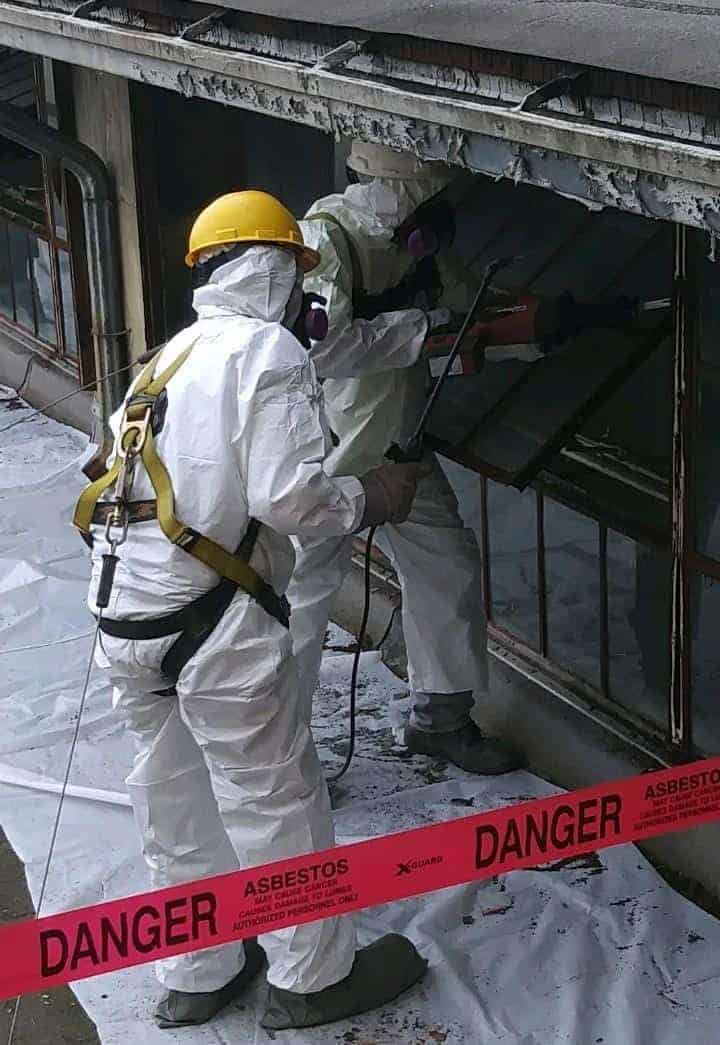
Before a building can be torn down or significantly renovated, state and federal regulations require that hazardous materials be identified and removed. Asbestos-containing materials, lead paint, PCB-containing caulk and coatings, and mercury-bearing equipment all fall under pre-demolition abatement requirements. EnviroWorx handles both the abatement and the subsequent surface decontamination as a single-source contractor.

Chemical Spills and Hazardous Material Releases

Spills happen fast. Whether it is a drum breach in a chemical storage area, a process line rupture, or a transportation incident on your loading dock, the response window matters. Delayed or incomplete decontamination after a chemical release can spread the contamination zone, expose additional workers, and complicate regulatory reporting. Our emergency response team deploys with the correct PPE, containment materials, and neutralizing agents for the specific hazard involved.

Contaminated Equipment Before Resale or Relocation

Industrial equipment that has been in contact with hazardous substances cannot simply be loaded onto a flatbed and sold. Buyers, transporters, and receiving facilities have legal obligations around accepting contaminated equipment. We decontaminate machinery to clearance standards that satisfy both regulatory requirements and contractual due diligence.

Worker Exposure Incidents Requiring Site Clearance

After an exposure incident, your facility may need clearance documentation before OSHA allows workers to re-enter the affected area. That documentation has to come from a certified contractor using verified testing methods. We provide the clearance reports that satisfy OSHA compliance officers and keep your operations moving forward.

Types of Industrial Decontamination We Handle

The range of contaminants we encounter across the Midwest spans nearly every category of industrial hazard. Our team has the training and equipment to address each one.

Heavy Metal Decontamination

Lead, mercury, hexavalent chromium, and cadmium are common in manufacturing, automotive, and battery-related industries across the region. These metals accumulate on surfaces over years of operation and require systematic removal to meet OSHA and EPA clearance standards. We have completed heavy metal decontamination in facilities ranging from small machine shops to large-scale automotive manufacturing plants.

Asbestos-Related Surface Decontamination

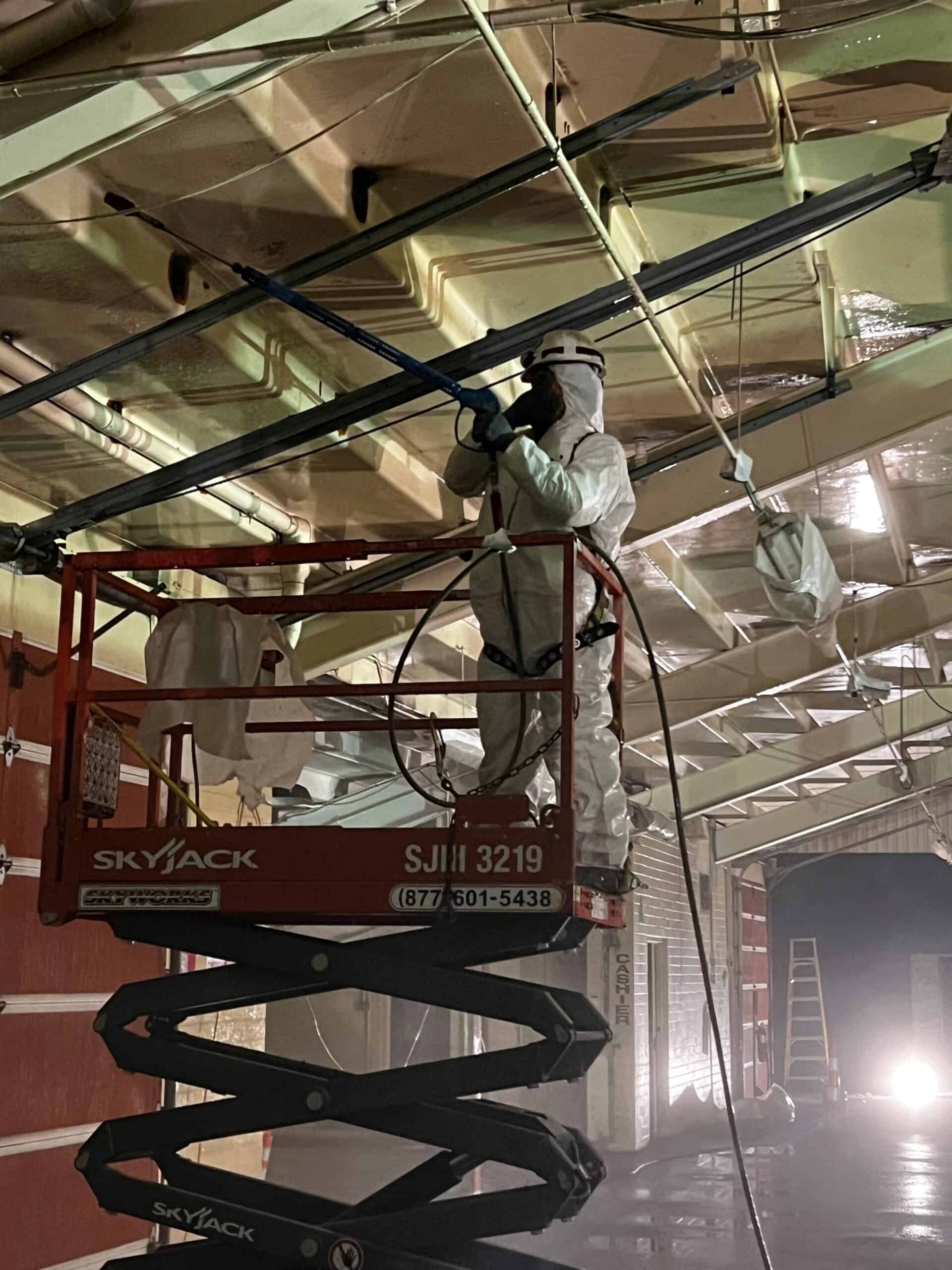
After asbestos abatement, the surrounding surfaces still require decontamination to remove residual fiber contamination before clearance air sampling can be conducted. We coordinate abatement and surface decontamination as an integrated workflow, reducing project timelines and eliminating the coordination gaps that appear when separate contractors manage each phase.

Equipment and Machinery Decontamination

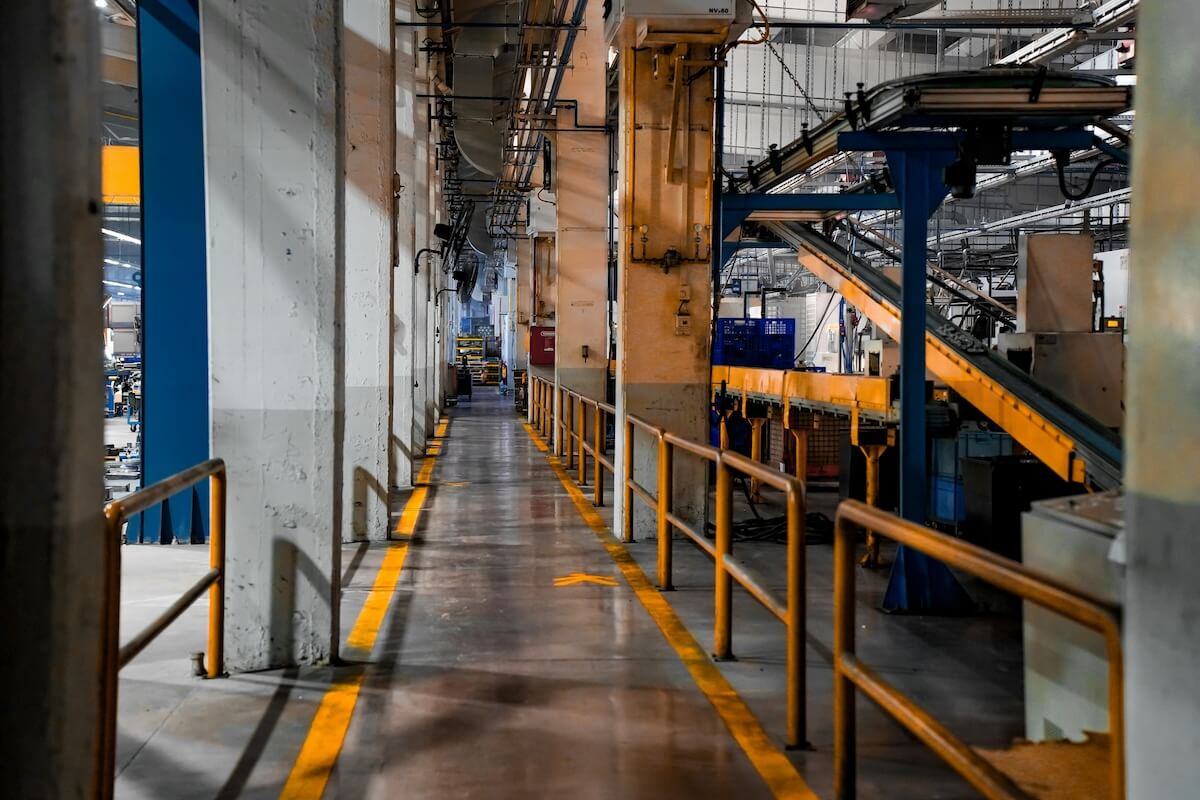
CNC machines, hydraulic presses, conveyor systems, and other industrial equipment accumulate hazardous residue over their service life. Whether you are preparing machinery for resale, relocating equipment to a new facility, or bringing decommissioned equipment back into service, we decontaminate to clearance standards and provide supporting documentation.

Chemical Decontamination

Solvent spills, acid releases, caustic material exposures, and petrochemical contamination all require chemical-specific response protocols. We identify the compound, select the correct neutralization or stabilization method, and verify removal through analytical testing.

Soil and Structural Surface Decontamination

Chronic spills, leaking underground storage tanks, and historical site use can leave contamination embedded in concrete floors, structural steel, and subsurface soils. We handle surface decontamination in coordination with broader site remediation efforts, ensuring that structural elements are cleared to the appropriate standard before reuse or demolition.

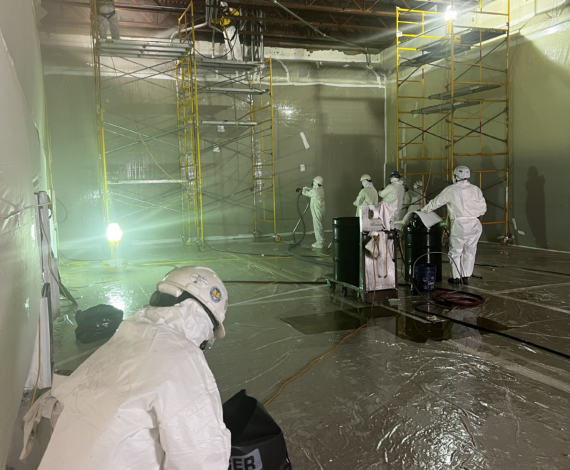
Why Facilities Across the Region Choose EnviroWorx

There are plenty of environmental contractors operating in the Midwest. The people on our crews have seen nearly every type of industrial contamination scenario. That experience matters when you encounter something unexpected mid-project, which happens more often than any contractor will tell you upfront. We adapt without shutting down your timeline.

Certified and State-Licensed in Every Market We Serve

EnviroWorx holds state licensing and certifications across Ohio, Indiana, Kentucky, Tennessee, and West Virginia. Our crews maintain current 40-Hour HAZWOPER certification, asbestos supervisor and worker licenses, lead abatement certifications, and applicable state environmental contractor registrations. We carry these credentials because our clients need contractors who can sign off on regulatory documentation, not just contractors who can do the physical work.

Request Industrial Decontamination Services

Contamination does not resolve on its own. It spreads, creates risk, and delays progress. Addressing it early keeps projects on track and protects everyone involved.

Contact Enviroworx to discuss your industrial decontamination needs. We will review your site, outline the scope, and provide a clear path forward. Our team is ready to respond with the equipment, personnel, and documentation required to complete the job safely and efficiently.