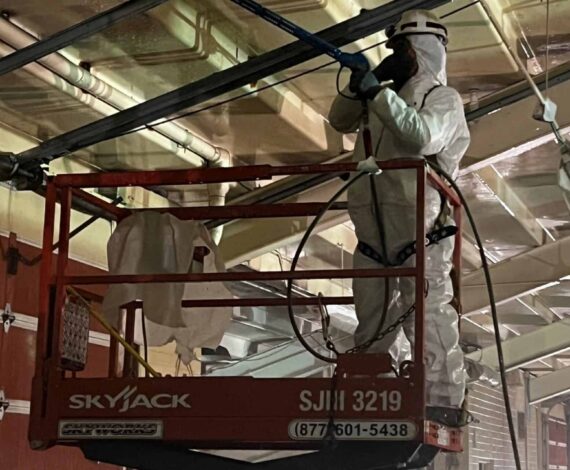
PCB abatement is not routine cleanup. These materials require careful planning, controlled removal, proper waste handling, and a clear understanding of applicable environmental requirements. Federal PCB cleanup and disposal rules are covered under 40 CFR Part 761, including requirements for PCB remediation waste under 40 CFR 761.61.
That matters because PCBs can show up in more places than many property owners expect. Older commercial buildings may contain PCB caulk, sealants, coatings, mastics, light ballasts, or electrical components. Industrial facilities may have PCB contamination tied to transformers, capacitors, hydraulic systems, floor drains, process areas, concrete slabs, sumps, or past spills.
EnviroWorx brings abatement, remediation, demolition support, hazardous material handling, and emergency response experience to PCB-related projects. We understand how to work around active job sites, aging buildings, sensitive facilities, and contaminated industrial environments where safety and scheduling both matter.
PCBs are man-made chemical compounds once used in building materials and industrial products because they resisted heat, provided electrical insulation, and held up under tough operating conditions. Those same traits also make them stubborn contaminants. PCBs do not break down easily, and they can remain in materials or environmental media long after the original product was installed or the original release occurred.
Common PCB sources may include:
Buildings from the mid-20th century deserve special attention. PCBs have been associated with older caulking, fluorescent light ballasts, and other building materials in structures built or renovated during the decades when these materials were commonly used. EPA guidance also stresses that PCB-containing ballasts must be removed, handled, and disposed of properly, especially when they are leaking or deteriorated
PCB-containing materials can be risky to disturb. Cutting, grinding, scraping, demolition, pressure washing, equipment removal, or poor cleanup methods can spread contamination across surfaces, into dust, or into nearby soil and stormwater pathways.
That is why PCB abatement usually requires more than a labor crew and disposal container. A qualified environmental contractor helps control the work from the first inspection through final waste documentation. A strong PCB abatement plan may include:
PCB waste rules can vary by material type, concentration, project scope, and cleanup pathway. EPA’s PCB remediation waste rules identify cleanup and disposal options, and recent EPA fact sheet guidance describes updates to performance-based cleanup and disposal under 40 CFR 761.61(b) that took effect in 2024.
EnviroWorx supports PCB abatement projects for buildings, industrial facilities, redevelopment sites, utilities, institutions, and contractors. Whether the concern is a known PCB release or suspected materials discovered during pre-demolition planning, our team can help organize the work and manage the field conditions.
A PCB abatement project starts with knowing what may be present, where it is located, and how it may affect the surrounding work. EnviroWorx can help property owners, general contractors, facility teams, and environmental consultants evaluate project conditions and build a practical abatement scope. This may include a site walk-through, review of known contamination concerns, identification of suspected PCB-containing materials, coordination with sampling teams, access planning, and removal sequencing. In many cases, PCB concerns are tied to renovation, demolition, redevelopment, or property transfer. Catching those issues early can prevent delays once construction begins.
PCB-containing materials must be removed with care. Depending on the site, this may involve hand removal, controlled demolition, surface preparation, debris collection, dust control, packaging, and work-area cleaning. EnviroWorx can assist with the removal of PCB-impacted materials such as caulk, sealants, coatings, light ballasts, electrical components, contaminated debris, and impacted building materials. For older buildings, PCB caulk can be especially challenging because it may sit between masonry, concrete, windows, expansion joints, or exterior wall systems. Removal methods must limit damage to surrounding surfaces while reducing the chance of contamination spreading.
PCB spills may occur when older equipment leaks, transformers fail, ballasts rupture, hydraulic systems release fluids, or contaminated materials are disturbed. These situations need fast control. The goal is to stop migration, secure the area, remove impacted materials, and document cleanup steps. EnviroWorx can support PCB spill response for commercial, industrial, utility, institutional, and municipal sites. Our emergency response and hazardous materials experience helps us contain affected areas, manage impacted debris, clean accessible surfaces, and coordinate disposal of contaminated waste streams.
PCBs can migrate into porous materials. Concrete floors, masonry, brick, block, and soil may hold contamination after years of equipment leakage, industrial use, improper storage, or past spills. EnviroWorx provides remediation support for PCB-impacted soil, concrete, and building surfaces. Depending on the project, that may include excavation, material removal, surface cleaning, scarification, controlled demolition, waste segregation, backfill coordination, and support for verification sampling. This work often appears on brownfield sites, former manufacturing properties, utility sites, warehouses, older schools, and buildings being prepared for redevelopment.
PCB abatement does not end when the material is removed. The waste stream must be handled correctly. PCB wastes may need special containers, labels, storage procedures, transportation paperwork, disposal facility coordination, and closeout records. EnviroWorx helps manage PCB waste from the field to the approved disposal destination. We can coordinate packaging, segregation, labeling, loading, transportation support, and disposal documentation based on the project’s requirements. Good waste handling protects the owner, the contractor, and the project schedule. Poor waste planning can create delays, extra costs, rejected loads, and compliance problems.
PCB abatement is often tied to a larger construction project. A contractor may find suspicious caulk during window replacement. A facility manager may discover old ballasts during a lighting upgrade. A developer may receive environmental sampling results before demolition. An industrial site may need contaminated concrete removed before new equipment can be installed.
In each case, the PCB issue has to be handled before the larger project can move forward safely.
EnviroWorx can coordinate with general contractors, demolition crews, environmental consultants, engineers, owners’ representatives, and waste disposal vendors. Our role is to help remove the environmental roadblock without creating unnecessary confusion on the job site.
PCB work calls for a contractor that understands more than basic removal. You need a team that can work around hazardous materials, contaminated surfaces, demolition schedules, environmental documentation, and disposal requirements.
EnviroWorx brings that field experience to commercial and industrial sites across the region.
If your property may contain PCB-contaminated materials, do not disturb them without a qualified abatement plan. Cutting, scraping, removing, or demolishing suspected materials can spread contamination and make the cleanup more complicated.
Contact EnviroWorx to schedule PCB abatement services for your commercial or industrial site. We can review your project, assess the affected area, coordinate cleanup needs, and help build a clear path toward safe removal and proper disposal.