Underground storage tank removal is more than digging a hole and pulling out a tank. Buried tanks often hold petroleum products, chemical residues, sludge, or vapors that require careful handling. Even an “empty” tank can contain flammable vapors or contaminated material.
That is why UST removal should be performed by a team that understands excavation safety, environmental risk, waste handling, and site restoration. A poorly managed tank removal can create problems that are far more expensive than the original project. Soil can be disturbed without proper containment. Residual fuel can be released. Vapors can create unsafe conditions. Contaminated soil can be mixed with clean soil. Documentation can be missed.
EnviroWorx approaches underground storage tank removal with a focus on safety, containment, and proper project closeout. We help identify site conditions, remove the tank, evaluate surrounding soil, coordinate disposal, and provide documentation needed for property records, regulatory files, lenders, buyers, or project stakeholders.
For many properties, the value of professional UST removal is simple: it helps reduce environmental liability before that liability grows.
An underground storage tank, often called a UST, is a tank installed below ground to store fuel, oil, chemicals, or other regulated liquids. These tanks are commonly found at gas stations, industrial properties, commercial facilities, fleet yards, farms, municipal sites, and older residential properties that once used heating oil.
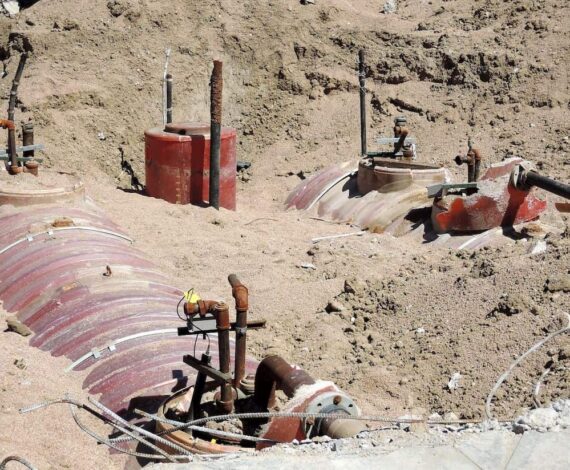
Some underground tanks are easy to identify because fill pipes, vent pipes, or fueling equipment are still visible. Others are harder to find. They may have been paved over, landscaped around, forgotten by previous owners, or left behind after a building changed use.
Underground storage tanks may be made from steel, fiberglass, or other materials. Older steel tanks are especially vulnerable to corrosion over time. As tanks age, they may crack, rust, shift, or leak. Soil movement, poor installation, water intrusion, damaged piping, and long-term product storage can all increase the chance of contamination.
EnviroWorx can support removal of many types of buried storage tanks, including:
In some cases, the tank contents and history are known. In other cases, the tank is discovered with little or no documentation. EnviroWorx can help assess the situation and plan the next steps based on site conditions.
Every UST removal project is different. A tank behind a small commercial building is not the same as a tank at an industrial site, an old gas station, or a residential property with limited access. EnviroWorx plans each project around the tank type, site layout, surrounding structures, soil conditions, safety concerns, and environmental requirements.
The process begins with a review of the site and the suspected tank location. This may include reviewing available property records, checking site access, locating visible tank components, identifying nearby utilities, and understanding how the property is currently used.
Planning may also involve coordination with property owners, general contractors, engineers, environmental consultants, municipalities, or regulatory agencies. The goal is to understand what is being removed, where it is located, what hazards may be present, and what documentation may be needed after removal.
Important planning considerations may include:
A good plan reduces delays and helps prevent avoidable problems once excavation begins.
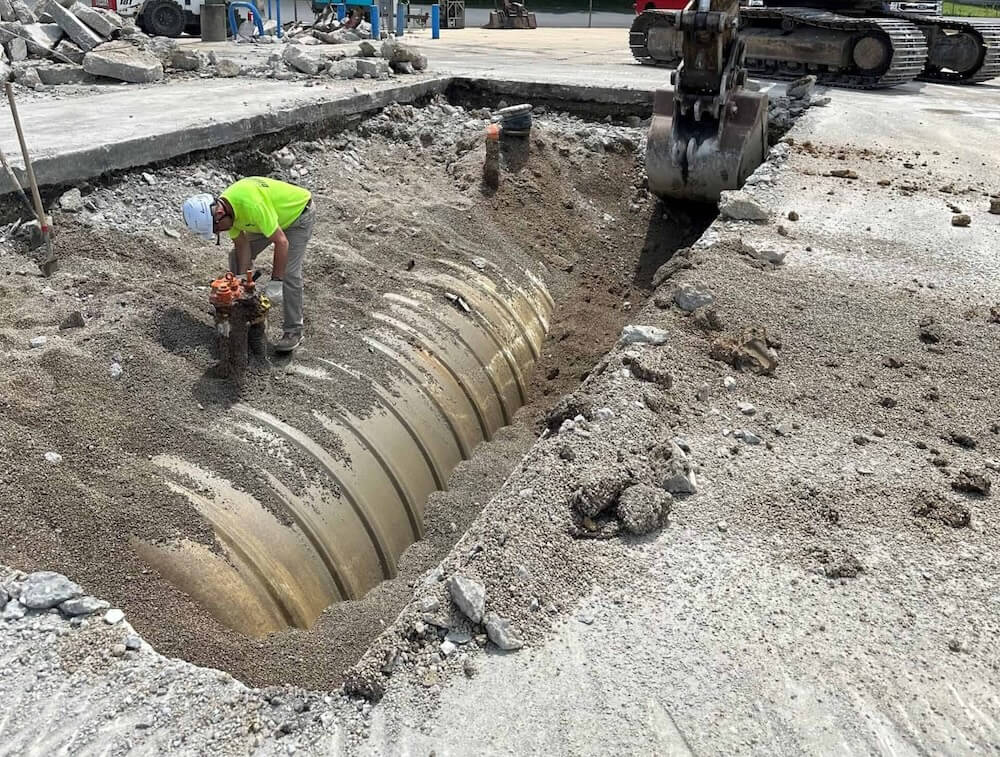
After planning, the tank area is prepared for removal. Utilities must be identified before excavation begins. The tank is then carefully exposed using appropriate equipment and controlled excavation methods.
This step requires more care than standard digging. Underground tanks may be near utility lines, foundations, pavement, storm drains, fuel lines, or other buried structures. Soil around the tank may also be contaminated, which means it must be handled differently than clean fill.
EnviroWorx works to expose the tank safely while managing site conditions and limiting unnecessary disturbance.
Before a UST can be removed, remaining product, sludge, liquids, and residue may need to be pumped, cleaned, or managed. Tanks that stored petroleum can also contain flammable vapors, even if the tank has been inactive for years.
This is one of the key reasons underground tank removal should be left to trained professionals. Vapors, confined spaces, ignition sources, and contaminated residues create real safety concerns.
Depending on the project, tank preparation may include:
These steps help make removal safer and reduce the risk of releases during handling.
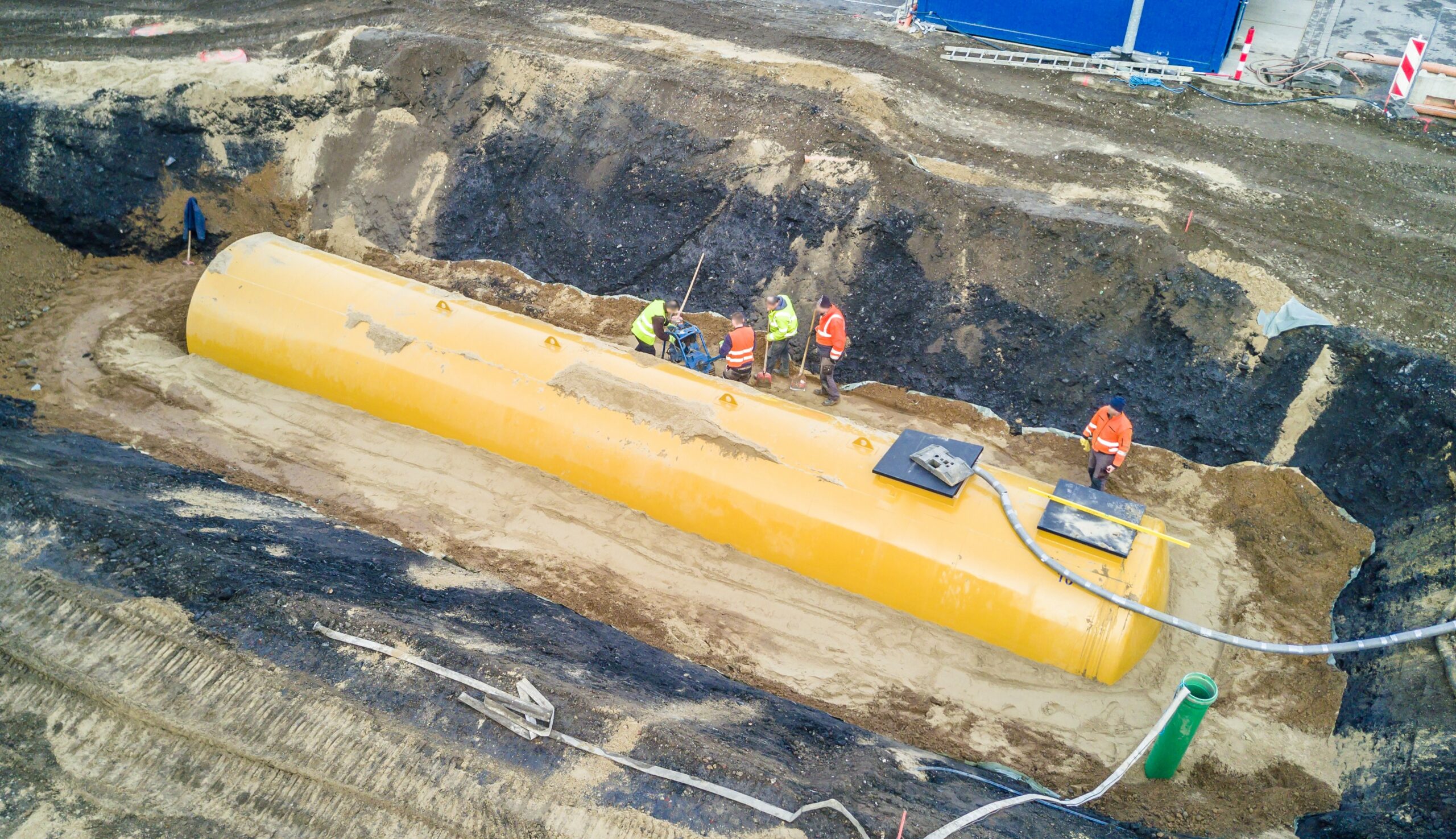
Once the tank is exposed and prepared, it can be removed from the excavation. The tank is lifted carefully, inspected, and staged for transportation. Its condition may provide important clues about whether a leak occurred, especially if there are holes, corrosion, staining, damaged seams, or failed piping connections.
The tank is then transported for proper disposal, recycling, or processing based on its condition and previous contents. Any remaining residues, sludge, or contaminated materials must also be managed properly.
EnviroWorx can coordinate tank removal and disposal as part of the full project scope.
After the tank is removed, the surrounding soil should be evaluated. This may include visual observation, odor checks, field screening, and soil sampling when needed.
If the tank leaked, petroleum-impacted soil may be found below or around the tank basin. Sometimes contamination is obvious. The soil may smell strongly of fuel or appear stained. Other times, contamination requires testing to confirm.
Soil evaluation is important because simply removing the tank does not always resolve the environmental concern. The surrounding soil may need additional cleanup.
If contaminated soil is found, EnviroWorx can support excavation, segregation, loading, hauling, and disposal at approved facilities. Impacted soil may need to be removed until the affected area is properly addressed, based on project requirements and applicable environmental standards.
After removal and cleanup work, the excavation can be backfilled, graded, and stabilized. Depending on the site, restoration may involve compacted fill, gravel, pavement preparation, erosion control, or coordination with the broader construction schedule.
EnviroWorx provides both tank removal and environmental remediation support, which is helpful when a tank project becomes more than a simple removal.
Documentation is a major part of UST removal. Property owners, buyers, lenders, insurers, contractors, and regulators often need proof that the tank was removed and handled properly.
Project documentation may include:
Good documentation helps protect the property owner and creates a clear record for future transactions, audits, redevelopment, or environmental review.
EnviroWorx works with a wide range of properties and project types. Some sites involve one small tank. Others involve multiple tanks, petroleum contamination, demolition work, redevelopment, or broader environmental remediation.
Commercial properties often have underground tanks tied to past or current business operations. These tanks may be found at gas stations, convenience stores, auto repair shops, retail centers, warehouses, fleet fueling sites, and former industrial properties.
Commercial UST removal may be needed before a sale, renovation, lease change, demolition, or redevelopment project. EnviroWorx can help remove the tank, address affected soil, and provide documentation for the project file.
Industrial sites may have underground tanks used for fuel, waste oil, process liquids, or other materials. These projects often require careful coordination because tanks may be located near active operations, loading areas, utilities, buildings, or other environmental concerns.
EnviroWorx supports UST removal for manufacturing facilities, equipment yards, utility properties, maintenance facilities, industrial plants, brownfield sites, and other complex properties.
When you are dealing with a buried tank, you need more than basic excavation. You need a team that understands environmental cleanup, safety controls, waste handling, and project documentation.
EnviroWorx brings practical field experience to underground storage tank removal projects. Our work is built around safe removal, clear communication, and responsible handling of affected materials.
Clients choose EnviroWorx for:
Every tank removal project has its own site conditions. EnviroWorx helps identify those conditions early so the project can move forward with fewer delays and fewer unknowns.
An abandoned, damaged, or leaking underground storage tank should not be ignored. Even if the tank has been inactive for years, it may still create environmental, safety, or real estate concerns.
EnviroWorx can help remove underground fuel tanks, oil tanks, and other buried storage tanks safely and properly. If contamination is found, our team can also support soil removal, waste disposal, site cleanup, and restoration.
Contact EnviroWorx today to schedule underground storage tank removal, UST closure support, or environmental remediation services.